
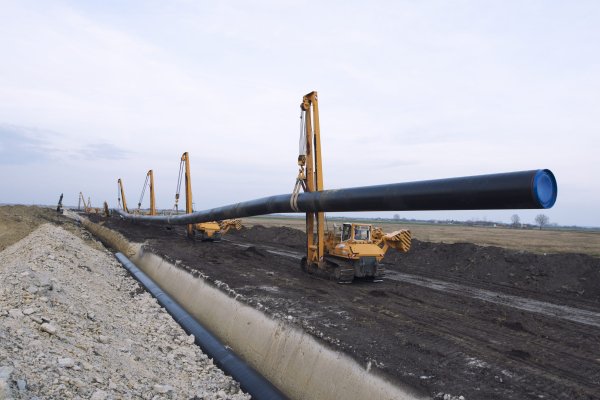
HDPE pipes are tough. They handle pressure well, last for decades, and work in some of the harshest conditions. But here is something many people do not think about until it is too late.
Even the strongest pipe fails if its joints are weak.
HDPE pipe joint failure prevention is not a fancy technical term. It just means doing the right things at the right time so your pipeline does not leak, crack, or shut down unexpectedly.
Most joint failures are not random. They are caused by specific mistakes that happen during installation or welding. The good news is that when you know what those mistakes are, you can easily avoid them.
Many teams assume that once the pipe is laid and welded, the job is done. But an HDPE pipeline joint failure usually starts long before the pipeline goes into service.
It starts with a small shortcut. A skipped step. A rushed weld.
Over time, that small problem grows into a real one.
Before any welding begins, both pipe ends must be completely clean and dry. Even a thin layer of dust, moisture, or grease can stop the weld from bonding properly.
This is one of the most common causes of HDPE welding defects, and it is also one of the easiest to prevent. A clean cloth and the right cleaning agent are all you need.
Every pipe size and wall thickness needs specific heat settings, pressure levels, and fusion times. When teams use the wrong settings, the plastic does not melt and bond the way it should.
The joint looks fine. But under pressure, it gives way.
After welding, the joint needs time to cool fully before anyone moves or loads the pipe. This cooling period is non-negotiable.
When teams are in a hurry, this step gets skipped. That is when hidden damage happens inside the joint, the kind you cannot see until it is too late.
The best pipeline leakage prevention in HDPE systems happens at the preparation stage, not after something goes wrong.
Here is what a proper preparation routine looks like.
For electrofusion joints, you must scrape the outside of the pipe to remove the oxidized layer. This is not optional. Without this step, the fitting will not bond to the pipe properly.
Always use a clean scraper tool and cover the scraped area immediately to protect it from dust.
Misaligned pipes put stress on the joint from day one. That stress builds up slowly and eventually causes a crack or a leak.
Use proper clamps and alignment tools. Take the extra few minutes to get this right. It saves hours of repair work later.
Old or uncalibrated welding machines give inconsistent results. A machine that is even slightly off can produce a bad weld every single time without anyone noticing.
Always check that your welding equipment is in good condition and calibrated to the right settings before you start.
Electrofusion is one of the most reliable welding methods for HDPE pipelines. When done correctly, the joint becomes as strong as the pipe itself. But the process has to be followed carefully.
Every electrofusion fitting has a barcode. That barcode contains the exact fusion time and voltage settings for that specific fitting. Scan it. Follow it. Do not guess.
Skipping this step is one of the most common causes of poor electrofusion joint quality.
Once the welding cycle starts, the fitting must stay completely still until the process finishes and the joint cools. Even a small movement during fusion can create voids inside the weld that will not be visible from outside.
Use clamps to hold everything in place and do not touch the joint until it is ready.
Bad weather affects weld quality more than most people realize. Strong wind cools the joint too quickly. Rain introduces moisture. Extreme heat can cause overheating.
Set up proper site protection whenever conditions are not ideal. This simple step makes a big difference to the final result.
Here is a quick summary of the most important steps:
These are not complicated steps. But they require discipline and consistency on every single job.
HDPE pipe joint failure prevention does not require expensive technology or advanced tools. It requires preparation, patience, and following the right process every time.
Most HDPE pipeline joint failures are preventable. They happen when steps are skipped or rushed. When you treat every weld as important, your pipeline will stay strong for a very long time.
If you need support with weld quality checks or need a team that follows proper HDPE pipe installation best practices on your project, working with an experienced pipeline contractor makes a real difference. The right team will help you build a pipeline that performs reliably from day one.
Yes, it can. A basic pressure test checks for obvious leaks but may not catch internal weld defects. Some failures develop slowly under repeated pressure cycles or temperature changes. Using non-destructive inspection methods alongside pressure testing gives you a much more complete picture of your joint quality and long-term safety.
Most manufacturers and industry standards allow only one or two re-fusion attempts at the same location. Each attempt removes material and changes the pipe geometry. If a joint consistently fails, the affected section should be cut out and replaced entirely. Always check the material specification before attempting any re-welding on a critical pipeline.
Yes, it does. HDPE pipes stored outdoors develop a UV-oxidized layer on the surface over time. This layer must be removed by scraping or machining before welding. Pipes that have been bent, kinked, or exposed to chemicals during storage can also develop internal stress. This stress weakens joints even when the welding process itself is done correctly.