
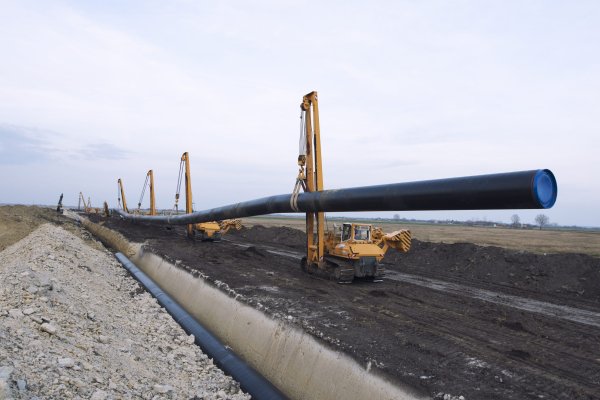
Pipelines fail, old ones especially. When they do, the cost isn’t just financial. It’s downtime, environmental risk, and damaged trust. That’s exactly why HDPE for pipeline construction has become the go-to choice across infrastructure projects in UAE, Oman, and Saudi Arabia. This guide explains what makes HDPE different, why it’s replacing older materials, and where it fits into modern infrastructure development.
What Makes HDPE for Pipeline Construction Different from Traditional Materials
HDPE, or high-density polyethylene, is a flexible, durable plastic piping material built for long-term performance. Unlike steel or concrete pipes, HDPE pipe solutions for infrastructure resist corrosion completely since there’s no metal to rust or degrade over time. This single advantage solves one of the biggest problems older piping materials face, especially in regions with harsh soil conditions and extreme temperatures. HDPE for pipeline construction also flexes slightly under pressure instead of cracking, which matters significantly in areas prone to ground movement or temperature shifts.
Why Corrosion-Resistant Piping Systems Matter Across the Gulf Region
Corrosion-resistant piping systems aren’t optional in this region. They’re necessary. Soil conditions across UAE, Oman, and Saudi Arabia often contain high salinity, which speeds up corrosion in traditional metal piping systems significantly. HDPE piping systems eliminate this issue entirely since polyethylene doesn’t react with salts, moisture, or most soil chemicals found locally. This means infrastructure projects relying on HDPE pipe solutions face far fewer replacement cycles compared to older metal piping alternatives.
How Long-Life Pipeline Infrastructure Reduces Long-Term Costs
Long-life pipeline infrastructure built with HDPE pipe solutions for infrastructure significantly reduces lifetime maintenance costs. While initial installation costs may compare similarly to other materials, HDPE pipelines typically last 50 to 100 years with proper installation and maintenance. This dramatically lowers cost-effective pipeline solutions over time since replacement and major repair cycles happen far less frequently than with metal piping systems. For large-scale infrastructure development projects across the region, this long lifespan translates directly into lower total project costs over several decades.
Why Leak-Free Pipeline Solutions Depend on Fusion Welding
Leak-free pipeline solutions are one of HDPE’s strongest advantages, largely due to how the pipes connect. Unlike traditional pipes joined with mechanical fittings or threaded connections, HDPE pipes use electrofusion or butt fusion welding to create permanent, seamless joints. These fused joints become as strong as the pipe itself, eliminating weak points where leaks commonly develop in older piping systems. This polyethylene pipe technology significantly reduces leak risks across water and gas distribution systems, an essential factor for safety-critical infrastructure projects.
HDPE Pipe Applications Across Water, Gas, and Industrial Projects
HDPE pipe applications span far beyond just one type of infrastructure project. Water distribution systems benefit from HDPE’s resistance to chemical reactions, keeping water quality consistent throughout the pipeline’s lifespan. Gas distribution systems rely on HDPE for its flexibility and leak-free joints, both critical safety factors when transporting pressurized gas underground. Industrial and mining applications across Oman and Saudi Arabia increasingly use HDPE for slurry transport and chemical waste systems due to its chemical resistance.
Why Sustainable Pipeline Construction Increasingly Relies on HDPE
Sustainable pipeline construction has become a growing priority across infrastructure projects in the region. HDPE pipes require less energy to manufacture compared to traditional metal piping, while also being fully recyclable at the end of their service life. Their long lifespan means fewer replacement cycles, which directly reduces the environmental impact tied to manufacturing, transportation, and installation processes. This makes modern pipeline construction materials like HDPE a natural fit for infrastructure projects across UAE, Oman, and Saudi Arabia aiming for sustainable development goals.
How Pipeline Installation Efficiency Improves With HDPE
Pipeline installation efficiency improves significantly when working with HDPE compared to rigid traditional materials. HDPE pipes come in long coiled lengths for smaller diameters, reducing the number of joints needed across a given installation distance. Its lightweight nature compared to concrete or steel pipes also reduces transportation and handling costs across large infrastructure development projects. Trenchless installation methods, including horizontal directional drilling, work particularly well with HDPE due to its flexibility, reducing surface disruption during installation.
Why HDPE Is Becoming Standard Across Infrastructure Development Projects
Infrastructure development projects across UAE, Oman, and Saudi Arabia increasingly specify HDPE for new water, gas, and sewage projects. This shift reflects growing recognition that durable piping materials reduce long-term operational risks while supporting faster, more efficient installation processes. At Radius Star Piping, we work with HDPE pipe solutions for infrastructure projects across UAE, Oman, and Saudi Arabia, supporting everything from water distribution to industrial piping needs. Our team understands regional soil and climate conditions that influence material performance and installation approach. If your project requires durable, corrosion-resistant piping built for decades of reliable service, our team can help identify the right HDPE solution for your specific application.
Frequently Asked Questions
What is the typical lifespan of an HDPE pipeline compared to steel?
HDPE pipelines typically has a design life of 50 years but can last for 100 years, while steel pipelines often require major maintenance or replacement within 20 to 50 years due to corrosion.
Can HDPE pipes handle high-pressure water and gas systems?
Yes, HDPE pipes are manufactured in various pressure ratings, making them suitable for both low-pressure water systems and high-pressure gas distribution applications.
Is HDPE suitable for underground installation in rocky or shifting soil?
Yes, HDPE’s flexibility allows it to handle ground movement and shifting soil conditions better than rigid pipe materials like concrete or cast iron.
How does HDPE pipe cost compare to traditional steel or concrete pipes?
Initial costs are often comparable, but HDPE’s lower maintenance needs and longer lifespan typically result in lower total costs over the pipeline’s service life.
Does HDPE piping require special equipment for installation?
Yes, HDPE installation requires fusion welding equipment for joining pipes, which differs from traditional threading or mechanical fitting methods used with metal pipes.