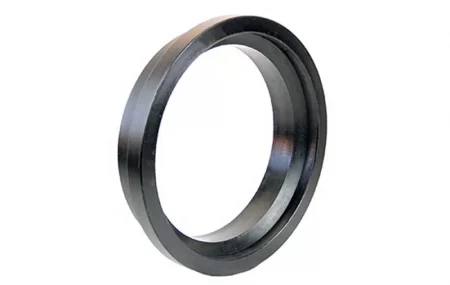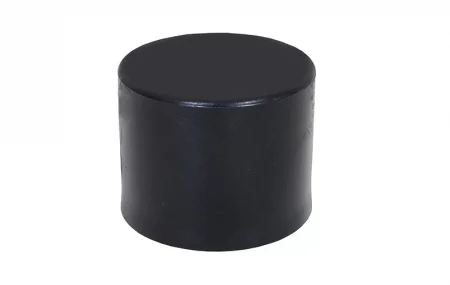
At Radius Star Piping, we specialise in providing high-quality polyethylene butt fusion fittings that are essential for creating reliable and durable HDPE piping systems. The fittings are designed to be joined with HDPE pipes using the HDPE butt fusion welding process, ensuring a seamless and leak-proof connection.
We supply HDPE segmented fittings, welding machines, fabrication, and contracting services across the UAE, Saudi Arabia, and Oman. Our butt fusion fittings, including elbows, tees, reducers, flanges, and end caps, are sourced from manufacturers certified to ISO 9001, ISO 14001, and ISO 45001, with selected products carrying WRAS approval for potable water use.
HDPE butt fusion welding is a specialised technique used to join two pieces of HDPE pipe or fittings. This process involves heating the ends of the pipes or fittings to a specific temperature, then pressing them together under a controlled force. The heat and pressure cause the polyethylene materials to fuse, creating a monolithic joint that is as strong as the pipes themselves.
At Radius Star Piping, we have skilled technicians who are trained to perform HDPE butt fusion welding with precision, following strict industry guidelines and safety protocols. We use state-of-the-art butt fusion welding machines and equipment in the UAE, Oman and Saudi Arabia to ensure consistent and reliable results.
| Fitting Type | Use |
|---|---|
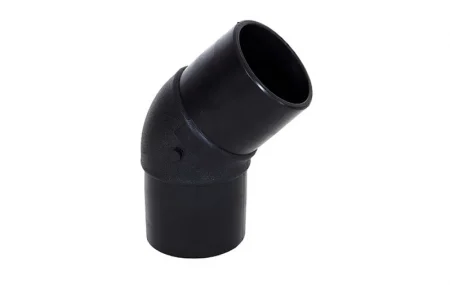
| 45° Elbow HDPE100+ | Changes the direction of the piping system at a 45° angle |
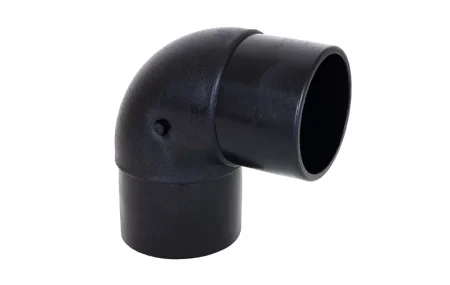
| 90° Elbow HDPE100+ | Changes the direction of the piping system at a 90° angle |
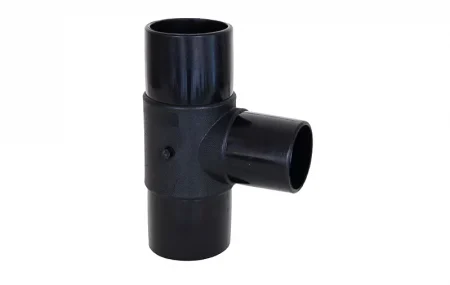
| 90° Equal Tee HDPE100+ | Creates a branch connection of equal diameter at 90° |
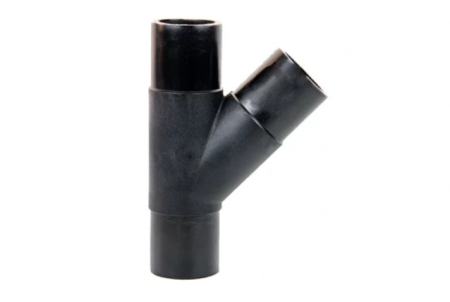
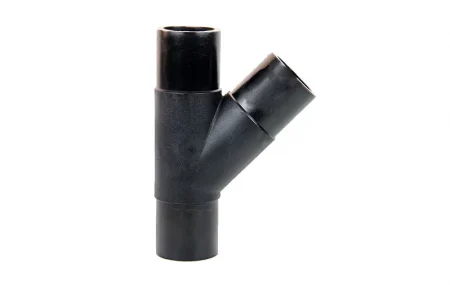
| 45° Wye Tee HDPE100+ | Creates a branch connection at a 45° angle for smoother flow diversion |
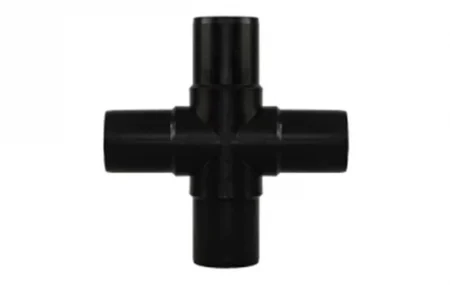
| 90° Cross Tee HDPE100+ | Connects pipes in four directions from a single point |
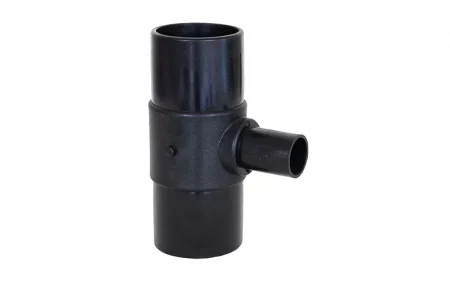
| 90° Reduced Tee HDPE100+ | Creates a branch connection while transitioning to a smaller pipe diameter |
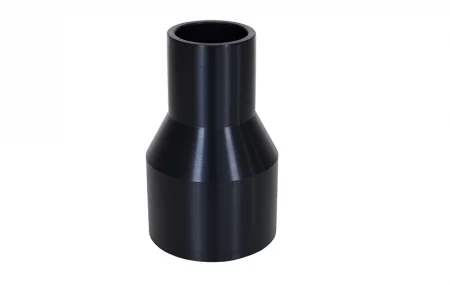
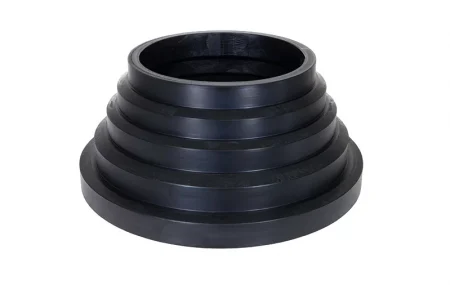
| Reducer HDPE100+ | Transitions between two different pipe diameters |
| Reducer – Short Stepped HDPE100+ | A compact version of the standard reducer for tighter installation spaces |
| Reducer – Short Type HDPE100+ | A shorter-length reducer for diameter transitions in confined layouts |
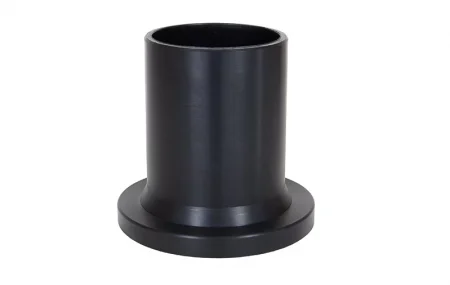
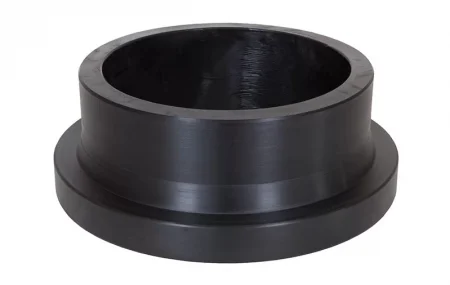
| Flange Adaptor HDPE100+ | Connects HDPE piping systems to flanged valves, pumps, or metal pipework |
| Flange Adaptor – Short Type HDPE100+ | A shorter flange adaptor for space-constrained connections |
| End Cap HDPE100+ | Seals the end of an HDPE pipe run or closes off a section of the system |
At Radius Star Piping, all our HDPE butt fusion fittings are manufactured from high-quality polyethylene materials, ensuring durability, chemical resistance, and long-lasting performance in various applications, including water and gas distribution, drainage systems, and industrial piping.
Our expert technicians are always available to assist you in selecting the right polyethylene butt fusion fittings and ensuring a successful installation that meets your project’s specific requirements.
Our HDPE fittings are sourced from manufacturing facilities certified to ISO 9001:2015 (Quality Management), ISO 14001:2015 (Environmental Management), and ISO 45001:2018 (Occupational Health and Safety) for the design, manufacturing, and sale of pipes, fittings, and butt welding machines.
Our PE100 end cap fittings hold WRAS approval (Approval No. 1906569) for contact with wholesome water for domestic purposes, suitable for use with water up to 65°C.
An HDPE butt fusion fitting is a pipe connector made from high-density polyethylene that is joined to a pipe or another fitting by heating both surfaces and pressing them together, forming a single, continuous piece of material rather than a mechanical joint.
The ends of the pipe and fitting are heated using a heater plate until they reach a controlled melt temperature. The heater plate is then removed and the two surfaces are pressed together under steady pressure until they cool and fuse into one solid joint.
Butt fusion joins two flat-faced ends together using external heat and pressure and is generally used for larger diameters and straight pipe runs. Electrofusion uses a fitting with an embedded heating coil to fuse around a pipe, which makes it better suited to repairs, tie-ins, and tight or confined spaces.
HDPE is resistant to corrosion, chemical attack, and abrasion, and it does not rust or scale like metal pipework. It is also flexible enough to absorb ground movement, which makes it well suited to underground water, drainage, and industrial piping networks.
HDPE fittings can be suitable for potable water applications when they are manufactured from approved materials and hold relevant water quality approvals, such as WRAS certification, for the specific product and water temperature range.
They are commonly used in water distribution, irrigation, drainage and sewage systems, and industrial fluid piping, wherever a permanent, leak-free joint is needed.
HDPE piping systems are generally known for a long service life, often cited at several decades, because the fused joint resists corrosion and does not degrade in the way metal connections can.
Yes. Butt fusion requires a dedicated butt fusion welding machine to align the pipe and fitting, heat the faces evenly, and apply controlled pressure during cooling. Installation should be carried out by trained technicians following the equipment manufacturer’s procedures.
HDPE piping systems are widely used across the Gulf region for water, irrigation, and industrial applications, as the material handles high ambient temperatures well compared with many alternatives, although project-specific conditions should always be checked against the manufacturer’s specifications.
Look for fittings manufactured under recognised quality management systems such as ISO 9001, environmental management systems such as ISO 14001, and, where relevant to the application, specific product approvals such as WRAS for potable water use.