
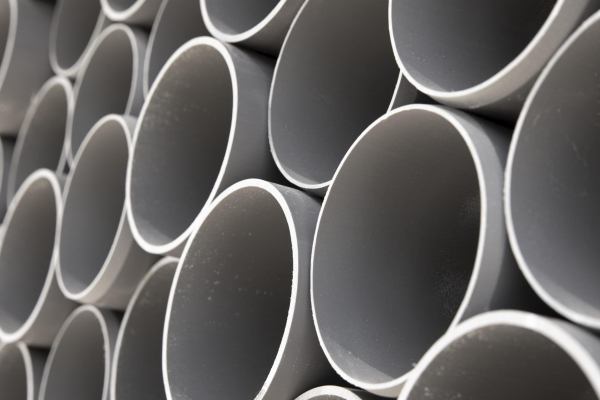
Your HDPE pipeline system keeps your operations running. Like any infrastructure, HDPE pipelines aren’t immune to problems. When something goes wrong, it lands on you. Keeping everything running isn’t optional.
Downtime costs real money. Compliance problems don’t go away on their own. The pressure adds up fast. That’s why it helps to understand where HDPE pipes usually fail and how professional HDPE pipe maintenance services step in to protect your system before small issues turn expensive.
Joint Fusion Failures
Poor welding creates weak spots in your pipeline. These joints fail under pressure or over time.
You might see leaks at connection points. Sometimes the pipe separates completely. Either way, your operations stop.
Good HDPE pipe maintenance means checking the joints, over and over. Every fusion gets inspected. Testing is done to catch weak welds before they turn into failures. Trained crews know what to look for, including problems you won’t spot just by looking at the pipe.
In places like the UAE, Oman, and Saudi Arabia, the heat makes this even more important. Big temperature swings put extra stress on those joints, so small issues show up faster. Regular inspection becomes critical.
HDPE resists most chemicals well. But certain substances cause slow crack growth over years.
You won’t notice it at first. The damage happens inside the pipe wall. Then one day, you’ve got a rupture on your hands.
Professional maintenance teams know which chemicals threaten your specific pipes. They monitor exposure areas closely. They catch early signs of stress cracking during scheduled inspections.
This proactive approach saves you from emergency repairs and environmental compliance issues.
Sunlight breaks down HDPE over time. Above-ground sections face the biggest risk.
The Middle East sun is especially brutal. Your exposed pipes in Saudi Arabia, UAE, and Oman take a beating year-round.
The pipe surface becomes brittle. Cracks form. Structural integrity weakens.
HDPE pipes maintenance services include UV exposure assessments. Technicians check surface conditions. They recommend protective measures before degradation becomes dangerous. Sometimes this means adding shielding. Other times it means replacing exposed sections before they fail.
Rocks, sharp objects, and rough handling during installation create hidden damage. These issues show up later as your pipeline ages.
The pipe might have worked fine for years. Then suddenly, you’re dealing with a failure that traces back to installation day.
Regular maintenance inspections catch these time bombs. Experienced technicians spot stress points and areas where external damage compromised the pipe. They document everything for your compliance records too.
HDPE expands and contracts with temperature changes. In the Gulf region, temperature swings are significant.
Without proper allowances, this movement stresses joints and bends. Failures happen at the weakest points.
Maintenance professionals measure and monitor movement patterns. They verify that your expansion joints function correctly. They identify areas where additional support or modification prevents future problems.
Water hammer and pressure spikes create internal stress. Over time, this weakens your pipes.
You might not realize these surges are happening. But your aging pipeline is impacted by all pressure surges.
Comprehensive HDPE pipes maintenance services include pressure monitoring. Teams analyze your system’s behavior. They recommend solutions like surge protection devices or pressure regulation improvements.
Professional maintenance does more than find problems. It prevents them.
Scheduled inspections catch issues early. Small fixes now prevent major failures later.
Detailed documentation helps you stay compliant with local regulations in UAE, Oman, and Saudi Arabia. You have records proving your due diligence.
Testing programs verify your pipeline’s integrity. You know exactly what condition your system is in.
Experienced technicians bring specialized equipment you don’t own. They have the training to interpret results accurately.
Waiting for a failure isn’t an option. Aging HDPE pipelines need attention before something goes wrong.
Work with HDPE pipe maintenance teams that understand the conditions you’re operating in. Experience in the UAE, Oman, and Saudi Arabia matters because those environments create challenges you can’t afford to ignore.
Ask about their inspection methods. Verify their compliance knowledge. Check their response capabilities.
Your pipeline is critical infrastructure. Treat it that way.
Professional maintenance protects your operations, your budget, and your peace of mind.
How often should HDPE pipelines in the Middle East undergo maintenance inspections?
Most experts recommend annual inspections for aging systems in UAE, Oman, and Saudi Arabia. High-stress or critical pipelines may need inspections every six months. Your maintenance provider can assess your specific system and recommend an appropriate schedule based on age, usage, and environmental conditions.
Can maintenance services repair HDPE pipes without replacing entire sections?
Yes, in many cases. Professional maintenance teams use various repair methods including electrofusion couplings, mechanical fittings, and specialized patching techniques. The repair method depends on the damage type and location. Complete replacement is only necessary when damage is too extensive or threatens system integrity.
What compliance standards do HDPE pipes maintenance services follow in the Gulf region?
Maintenance providers follow international standards like ISO 4427 and local regulations specific to each country. In UAE, this includes ESMA requirements. Saudi Arabia follows SASO standards. Oman has its own specifications through relevant authorities. Quality maintenance services stay current with all applicable standards and document compliance for your records.