
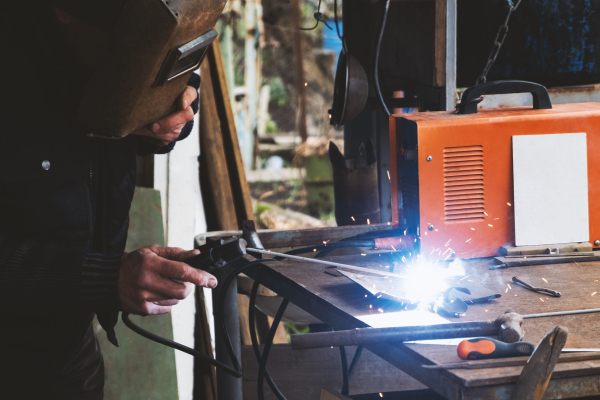
Choosing the right butt fusion welding machines is one of those decisions that looks simple at first but can quietly affect your entire pipeline job if it’s not thought through properly. In the Gulf region, where projects run under high pressure, heat, and tight timelines, the machine you choose needs to match both the pipe size and the pressure rating you are working with. If either one is off, problems usually show up later, not on day one.
We see a lot of confusion around this, especially from teams that are buying or upgrading machines for the first time. Below is a practical way to think about it, without getting technical or complicated.
Pipe size is the first thing to get right. Every butt fusion machine is built to handle a specific diameter range. Trying to stretch a small machine to handle bigger pipes usually leads to weak joints or alignment issues.
Before looking at brands or features, be clear about:
In many projects across the UAE, Oman, and Saudi Arabia, contractors deal with mixed pipe sizes. In that case, a machine with proper reducer inserts and stable clamps matters more than people realize. The pipe should sit firmly, without forcing or gaps. If it doesn’t, the fusion quality drops.
Pressure rating is where many buyers make mistakes. Pipes that carry higher pressure need fusion joints that are strong and consistent. For that to happen, the machine has to apply heat evenly and control the pressure properly. Simply clamping the pipe together and hoping it holds is never enough.
When selecting butt fusion welding machines, always consider:
Higher pressure pipes demand better control. A lightweight or underpowered machine may still fuse the pipe, but the joint may not hold up long-term, especially in water, gas, or industrial lines common in the Gulf.
This is the part people often skip. Pipe size and pressure rating are connected.
Larger diameter pipes carry more load, and higher pressure puts more stress on the joint. So, the machine must handle both at the same time.
A good way to think about it:
In Saudi Arabia and Oman, where long pipeline runs are common, machines that keep alignment steady across large diameters make a noticeable difference in joint consistency.
Beyond size and pressure, daily site conditions matter. Heat, dust, and long working hours affect machine performance.
When looking at butt fusion welding machines in the UAE, it helps to check:
Simple machines that work the same way every day are often better than complex ones that slow teams down.
You don’t need to overthink this, but the choice should match your job scale.
In many Gulf projects, hydraulic machines are the middle ground because they balance control and practicality.
Choosing the right machine is less about buying the biggest option and more about matching it to how you actually work. Pipe size and pressure rating should guide every decision, not brand names or extra features.
When butt fusion welding machines are chosen based on real site conditions, joints turn out more consistent and work runs smoother. There is less downtime, fewer interruptions, and teams know they can rely on the equipment. In places like the UAE, Oman, and Saudi Arabia, that level of reliability is not a bonus. It is simply expected.
Yes, most machines can handle multiple pipe sizes, but only within a specific range. This is done using reducer inserts. The important part is that the pipe fits securely in the clamps. If it feels loose or forced, the fusion quality can suffer.
If the machine cannot apply or hold the required pressure, the joint may look fine at first but fail over time. This is especially risky in water, gas, or industrial pipelines where pressure stays high for long periods.
Not always. Bigger butt fusion welding machines do make sense for large, high-pressure pipes, but they are not always practical for smaller jobs. An oversized machine can slow things down and make handling harder than it needs to be. The better option is usually the one that fits the pipe sizes and pressure levels you work with most of the time.